Why Older Gaming Houses Felt Different From Modern Casino Floors
16 August 2026 | 238
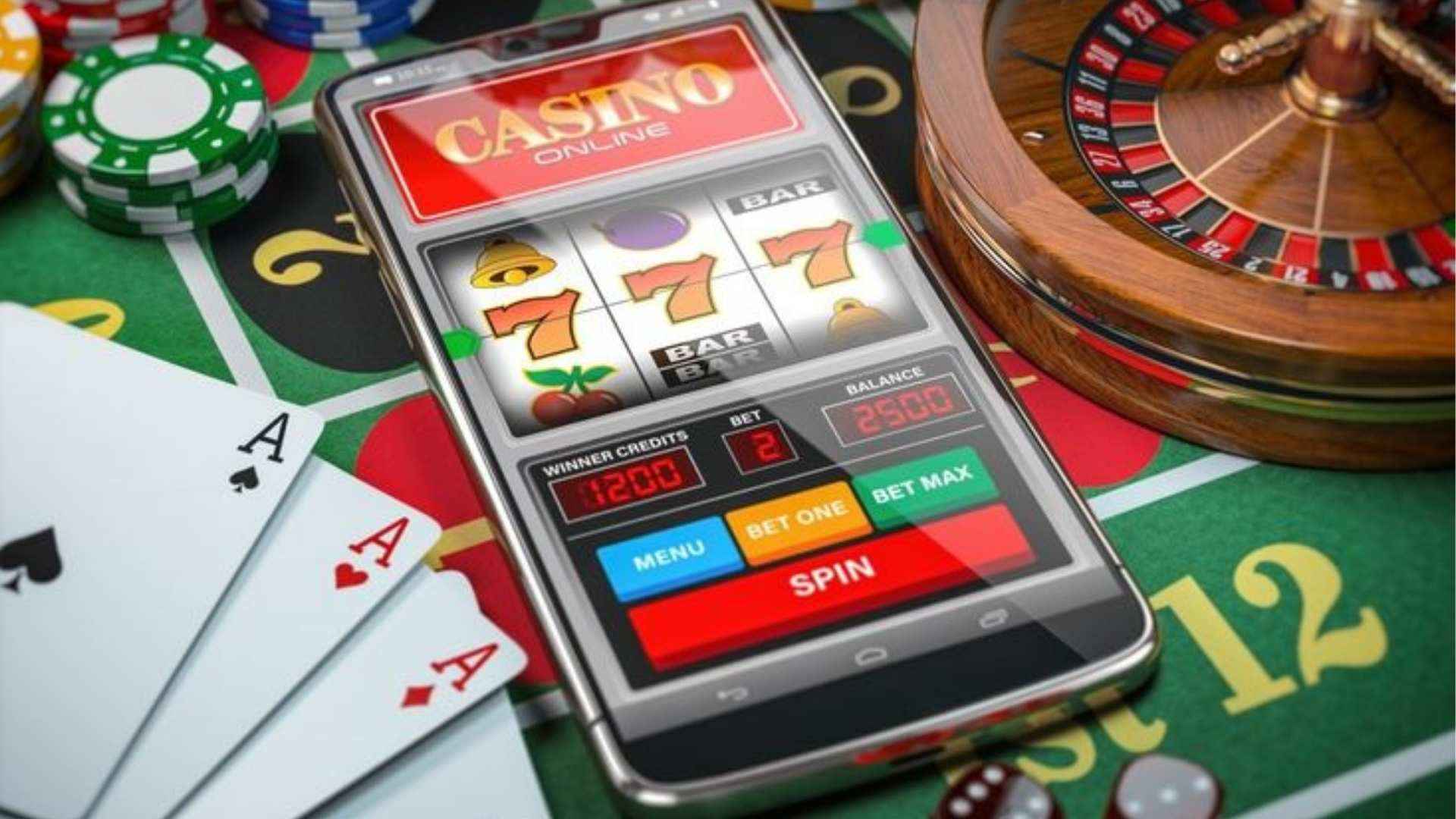
The architectural transition of wagering spaces over the past few centuries reveals a dramatic shift in how players interact with their environment and each other. Historic gaming salons were originally designed as exclusive, intimate venues where social interaction and personal accountability took precedence over rapid transaction speeds. In contrast, contemporary casino layouts prioritize continuous movement, open visibility, and automated game management to optimize operational efficiency.
Spatial Organization and Architectural Boundaries
Classic gambling houses featured localized layouts that divided large properties into secluded, highly specialized rooms. These enclosed spaces allowed participants to focus deeply on specific card games without the ambient noise of a massive gaming floor. Modern venues instead utilize sprawling open floor plans designed to guide thousands of visitors simultaneously through interconnected slot rows and table clusters.
This architectural shift completely altered the acoustic and sensory environment for traditional tabletop enthusiasts. While early continental salons relied on quiet concentration and strict behavioral decorum, today's properties use rhythmic music and bright lighting to maintain high energy levels. The physical isolation of older tables created a communal bond among participants that is rarely mirrored on vast, computerized casino floors.
The Shifting Nature of Financial Risk Management
In early European gaming circles, the operational framework depended heavily on active human participation rather than a corporate banking entity. Players frequently took turns holding the table bank or collectively backing the stakes against their peers. This direct involvement transformed every round into an intense psychological battleground where reputation and social standing were constantly on the line.
As regulatory frameworks evolved, centralized institutions assumed full financial responsibility, removing the burden of shared risk from the players. Today, enthusiasts looking for modern adaptations of classic card games can use a convenient ทางเข้าm88 มือถือ platform to access secure, automated betting options instantly. This transition to digitized systems ensures absolute precision and game speed while altering the original face-to-face dynamics that defined older venues.
Human Interaction Versus Automated Processing
The manual rituals of shuffling, dealing, and calculating totals provided older gaming spaces with a distinct, deliberate rhythm. Dealers were not merely transaction operators but central figures who managed table decorum and interactive dynamics. This human pacing allowed players ample time to observe their opponents, analyze subtle behavioral shifts, and make highly calculated strategic choices.
Modern establishments rely extensively on automated shuffling machines and computerized monitors to maximize the number of hands dealt per hour. While this technological integration provides unmatched security and convenience, it minimizes the social interactions that once made table games a community ritual. The focus has decisively moved from a shared social contest to an individualized pursuit of randomized mathematical outcomes.